Top 20 Largest Hospital Systems in the USA
Explore America's largest hospital networks, ranked by number of general hospitals, with geographic coverage, ownership insights, five-star market reach ratings, and opportunities for healthcare suppliers.

Last updated:November 23, 2026
Research focus:United States
Ranking metric:Number of general hospitals
Rating metric:B2B market reach, not clinical quality
The United States has some of the world's most extensive healthcare networks. These hospital systems operate across multiple states, employ large clinical workforces, and influence how medical equipment, healthcare technology, pharmaceuticals, staffing services, and hospital supplies are purchased.
But which hospital systems are actually the largest?
HCA Healthcare, CommonSpirit Health, Ascension, Lifepoint Health, and Trinity Health are among the largest hospital systems in the USA when measured by their networks of general hospitals.
Their importance extends beyond size. For medical device manufacturers, healthcare software companies, staffing agencies, and other B2B healthcare suppliers, understanding these organizations can help identify potential customers, relevant departments, and geographic sales opportunities.
This MedicalProspects ranking examines the 20 largest US hospital systems using a consistent general-hospital definition. It also introduces a five-star B2B Market Reach Rating to help readers distinguish nationwide networks from more geographically concentrated systems.
20 Largest Hospital Systems in the US: Complete Ranking
The following ranking uses ProviderPlots' November 2026 US general-hospital ownership dataset, which counts general acute-care, critical-access, and children's hospitals while excluding several other facility categories.
| Rank | Hospital system | General hospitals | States | Market reach |
|---|---|---|---|---|
| 1 | HCA Healthcare | 152 | 18 | ★★★★★ |
| 2 | CommonSpirit Health | 125 | 17 | ★★★★★ |
| 3 | Ascension | 72 | 9 | ★★★★☆ |
| 4 | Lifepoint Health | 64 | 21 | ★★★★★ |
| 5 | Trinity Health | 57 | 15 | ★★★★★ |
| 6 | Prime Healthcare | 54 | 15 | ★★★★★ |
| 7 | Community Health Systems | 50 | 12 | ★★★★★ |
| 8 | Providence | 50 | 7 | ★★★★☆ |
| 9 | Kaiser Permanente | 49 | 6 | ★★★★☆ |
| 10 | AdventHealth | 44 | 9 | ★★★★☆ |
| 11 | Advocate Health | 44 | 5 | ★★★★☆ |
| 12 | Tenet Healthcare | 44 | 8 | ★★★★☆ |
| 13 | Bon Secours Mercy Health | 37 | 4 | ★★★☆☆ |
| 14 | Sanford Health | 35 | 6 | ★★★☆☆ |
| 15 | Mercy | 34 | 4 | ★★★☆☆ |
| 16 | Intermountain Health | 33 | 4 | ★★★☆☆ |
| 17 | Sutter Health | 31 | 3 | ★★★☆☆ |
| 18 | UPMC | 31 | 4 | ★★★☆☆ |
| 19 | Avera Health | 29 | 4 | ★★★☆☆ |
| 20 | Banner Health | 29 | 6 | ★★★☆☆ |
Source: ProviderPlots: Largest Health Systems in the US, dataset updated November 2026.
Important ranking note: Baylor Scott & White Health also has 29 general hospitals in the underlying dataset, tying the hospital count at the cutoff. This list follows the source's published top-20 ordering; the final position is not a statistically meaningful difference in size.
The counts represent the selected dataset's hospital ownership definitions, not necessarily the total number of facilities each organization publicly advertises. Some systems also operate rehabilitation hospitals, psychiatric hospitals, ambulatory surgery centers, clinics, and other healthcare facilities that are excluded from this comparison.
How the five-star market reach rating works
The stars are a MedicalProspects editorial assessment of organizational scale and geographic reach for potential B2B targeting.
Each system starts with three stars because it qualifies for this national top-20 ranking. One additional star is awarded for operating at least 40 general hospitals, and another for having hospitals in at least 10 states.
- ★★★★★Extensive market reach: Meets both additional thresholds.
- ★★★★☆Broad market reach: Meets one additional threshold.
- ★★★☆☆Established market reach: Qualifies for the top 20 without meeting either additional threshold.
These thresholds are an editorial framework, not an industry-standard rating. The stars do not measure hospital quality, purchasing budgets, vendor accessibility, likelihood of buying, or the number of contacts available in MedicalProspects' database.
For a company developing a national healthcare sales strategy, the hospital and state counts provide a starting point. Product fit, clinical services, organizational structure, and procurement requirements still need to be evaluated separately.
Largest Hospital Systems in the USA: Individual Profiles
1. HCA Healthcare
- Headquarters: Nashville, Tennessee
- General hospitals: 152
- States represented: 18
- Organization type: For-profit
HCA Healthcare leads this ranking with 152 general hospitals across 18 US states.
The organization is a major hospital operator with a broad range of clinical services, from emergency and surgical care to specialty treatment and diagnostic services. Its scale makes it a significant organization for companies researching large healthcare accounts.
HCA's facilities can be relevant to suppliers of operating room equipment, diagnostic technologies, medical supplies, healthcare IT, and hospital support services.
B2B sales insight: Suppliers should distinguish between corporate-level purchasing functions, regional leadership, and local clinical departments. A product used by an individual department may still be subject to system-wide procurement arrangements.
Relevant contacts: Supply chain directors, clinical department directors, biomedical engineering leaders, CIOs, and hospital executives.
Research takeaway: HCA's extensive hospital footprint creates opportunities for geographic and department-specific account segmentation, but suppliers should verify where purchasing authority sits before approaching individual facilities.
2. CommonSpirit Health
- Headquarters: Chicago, Illinois
- General hospitals: 125
- States represented: 17
- Organization type: Nonprofit
CommonSpirit Health is one of the largest nonprofit healthcare systems in the United States.
Its network spans major metropolitan markets and smaller communities, creating a mix of healthcare delivery environments and operational requirements.
For B2B healthcare companies, this combination matters. An enterprise-level technology platform, a specialized diagnostic device, and a regional staffing service may each require a different approach within the same system.
B2B sales insight: Begin by identifying the relevant operating region and clinical service line rather than treating the entire organization as a single purchasing account.
Relevant contacts: Regional executives, finance leaders, supply chain professionals, clinical operations directors, and information technology leaders.
Research takeaway: CommonSpirit's geographic scale makes regional segmentation especially important for suppliers selling products with location-specific applications.
3. Ascension

- Headquarters: St. Louis, Missouri
- General hospitals: 72
- States represented: 9
- Organization type: Nonprofit
Ascension operates a substantial network of general hospitals and healthcare services across multiple US markets.
The system's clinical operations create potential areas of interest for companies supplying medical equipment, hospital technologies, patient monitoring systems, pharmaceuticals, and healthcare management services.
However, the size of a hospital network should not be mistaken for a universal purchasing opportunity.
B2B sales insight: Vendors should identify which Ascension facilities provide the relevant service and which corporate or regional functions participate in purchasing decisions.
Relevant contacts: Hospital administrators, operations executives, supply chain directors, pharmacy leaders, and department heads.
Research takeaway: For companies targeting Ascension, matching products to service lines and organizational regions is more useful than contacting every facility indiscriminately.
4. Lifepoint Health

- Headquarters: Brentwood, Tennessee
- General hospitals: 64
- States represented: 21
- Organization type: For-profit
Lifepoint Health has one of the broadest geographic footprints in this ranking, with general hospitals represented across 21 states.
Its healthcare portfolio includes community-based care delivery, making it relevant to vendors serving regional and non-metropolitan healthcare markets.
Companies selling diagnostic equipment, clinical technology, workforce solutions, and operational support services may find different targeting opportunities across Lifepoint facilities.
B2B sales insight: Geographic breadth can create distinct sales territories. Vendors should segment facilities by location, service capabilities, and product relevance.
Relevant contacts: Regional operations leaders, hospital administrators, nursing leadership, IT directors, and purchasing professionals.
Research takeaway: Lifepoint demonstrates why hospital count and geographic coverage should both be examined. A smaller hospital total than some competitors can still represent a wider state-level footprint.
5. Trinity Health

- Headquarters: Livonia, Michigan
- General hospitals: 57
- States represented: 15
- Organization type: Nonprofit
Trinity Health is a large nonprofit healthcare organization with an extensive multistate delivery network.
Its combination of hospitals and broader healthcare services creates potential relevance for suppliers operating across clinical care, healthcare administration, and technology.
Companies interested in selling patient care systems, hospital software, medical equipment, and related services should first identify the relevant operational entities and clinical settings.
B2B sales insight: Multi-facility organizations may have central purchasing policies while individual departments remain influential in product evaluation.
Relevant contacts: Chief nursing officers, operations leaders, procurement directors, department heads, and healthcare IT executives.
Research takeaway: Account research should focus on the relationship between enterprise leadership and the specific facilities where a vendor's product would be implemented.
6. Prime Healthcare

- Headquarters: Ontario, California
- General hospitals: 54
- States represented: 15
- Organization type: For-profit operator with affiliated nonprofit operations
Prime Healthcare has a sizable multistate hospital presence.
Its hospital operations make it relevant to companies offering equipment maintenance, clinical technologies, revenue cycle solutions, hospital supplies, and facility management services.
For companies considering Prime Healthcare as a target account, ownership and operating relationships require particular attention because different entities within a broader healthcare organization may have distinct purchasing responsibilities.
B2B sales insight: Identify the legal and operational entity connected to each target hospital before deciding whether to approach local or centralized procurement teams.
Relevant contacts: Hospital CEOs, financial executives, facilities managers, clinical engineering teams, and supply chain professionals.
Research takeaway: Accurate parent-system and facility mapping is critical for avoiding duplicate or misdirected sales outreach.
7. Community Health Systems
- Headquarters: Franklin, Tennessee
- General hospitals: 50
- States represented: 12
- Organization type: For-profit
Community Health Systems, commonly known as CHS, is a major operator of community hospitals in the United States.
Its geographically distributed healthcare operations can be relevant to suppliers serving hospitals outside the largest academic medical centers.
Potential product categories include emergency care equipment, diagnostic technology, hospital operations software, medical supplies, and workforce services.
B2B sales insight: Community hospital procurement requirements can differ from those of large academic hospitals. Understanding facility resources, clinical capabilities, and enterprise purchasing policies helps suppliers determine the right approach.
Relevant contacts: Hospital administrators, nursing executives, supply chain managers, IT leaders, and department directors.
Research takeaway: For CHS, facility type and regional coverage can be valuable filters when constructing a targeted list of hospital prospects.
8. Providence

- Headquarters: Renton, Washington
- General hospitals: 50
- States represented: 7
- Organization type: Nonprofit
Providence operates a substantial hospital network with a particularly important presence in the western United States.
The organization serves a variety of healthcare markets and combines hospital services with other forms of medical care.
Its scale makes it relevant to vendors selling healthcare technology, clinical equipment, administrative solutions, and products used across multiple care settings.
B2B sales insight: Suppliers should distinguish hospital opportunities from outpatient, ambulatory, and other care settings when building prospect lists.
Relevant contacts: Health system executives, clinical operations leaders, technology directors, procurement teams, and service-line administrators.
Research takeaway: Providence's geographic concentration can help vendors develop a focused western US healthcare account strategy.
9. Kaiser Permanente

- Headquarters: Oakland, California
- General hospitals: 49
- States represented: 6
- Organization type: Integrated nonprofit healthcare system
Kaiser Permanente stands out because of its integrated healthcare model, combining health coverage and care delivery through related organizational entities.
This distinction is particularly important for companies selling into its hospital network.
Unlike a typical collection of independent hospital accounts, Kaiser Permanente's organizational model requires suppliers to understand how hospitals, medical groups, and enterprise functions relate to one another.
B2B sales insight: Technology suppliers, medical equipment vendors, and healthcare service providers should research the specific organizational unit responsible for evaluating or purchasing their category.
Relevant contacts: Healthcare technology executives, clinical operations leaders, medical group administrators, supply chain professionals, and relevant clinical specialists.
Research takeaway: Organizational structure may influence account qualification as much as the number of facilities.
10. AdventHealth

- Headquarters: Altamonte Springs, Florida
- General hospitals: 44
- States represented: 9
- Organization type: Nonprofit
AdventHealth operates a multistate hospital network with a strong presence in Florida.
Its services span hospitals and related healthcare facilities, creating multiple potential entry points for B2B vendors.
Companies serving emergency care, diagnostic imaging, surgical services, hospital operations, and healthcare IT can use facility-level research to determine which locations match their products.
B2B sales insight: A vendor's potential market should be defined by relevant hospital capabilities, not just the total number of facilities.
Relevant contacts: Clinical department directors, hospital administrators, nursing leaders, technology executives, and procurement professionals.
Research takeaway: AdventHealth can be particularly relevant to Florida-focused healthcare suppliers while also offering a broader multistate account footprint.
11. Advocate Health

- Headquarters: Charlotte, North Carolina
- General hospitals: 44
- States represented: 5
- Organization type: Nonprofit
Advocate Health is a major healthcare organization formed through the combination of Advocate Aurora Health and Atrium Health.
Its system includes large regional healthcare operations and a broad range of clinical services.
For B2B vendors, combined health systems present an important research challenge: understanding the relationship between legacy organizations, current operating regions, and enterprise purchasing functions.
B2B sales insight: Avoid relying exclusively on historical hospital brand names. Current organizational affiliation matters when mapping target accounts.
Relevant contacts: Enterprise executives, regional administrators, clinical service-line directors, IT leaders, and supply chain professionals.
Research takeaway: Accurate organizational hierarchy data helps suppliers identify the appropriate route into a consolidated hospital system.
12. Tenet Healthcare
- Headquarters: Dallas, Texas
- General hospitals: 44
- States represented: 8
- Organization type: For-profit
Tenet Healthcare is a major US healthcare services organization with hospital operations and a significant presence in ambulatory care through its broader business portfolio.
For vendors, this creates two potentially different markets: hospital-based services and outpatient surgical services.
The distinction is important because purchasing responsibilities, clinical workflows, and equipment requirements can differ between inpatient hospitals and ambulatory surgery centers.
B2B sales insight: Companies selling surgical equipment, diagnostic devices, and clinical technologies should separate hospital contacts from ambulatory facility contacts.
Relevant contacts: Surgical services directors, hospital procurement leaders, biomedical engineering teams, and ambulatory operations executives.
Research takeaway: The right facility category can be as important as the size of the parent healthcare organization.
13. Bon Secours Mercy Health

- Headquarters: Cincinnati, Ohio
- General hospitals: 37
- States represented: 4
- Organization type: Nonprofit
Bon Secours Mercy Health operates a substantial healthcare network within a more geographically concentrated set of US states.
Its hospitals and associated healthcare services may be relevant to regional medical suppliers, healthcare technology companies, and clinical service vendors.
B2B sales insight: Suppliers with strong coverage in the system's operating markets can prioritize relevant facilities without the operational complexity of pursuing a nationwide hospital network.
Relevant contacts: Hospital administrators, operations executives, department directors, and procurement leaders.
Research takeaway: Geographic concentration can support a focused regional sales strategy even when the system has fewer hospitals than national operators.
14. Sanford Health
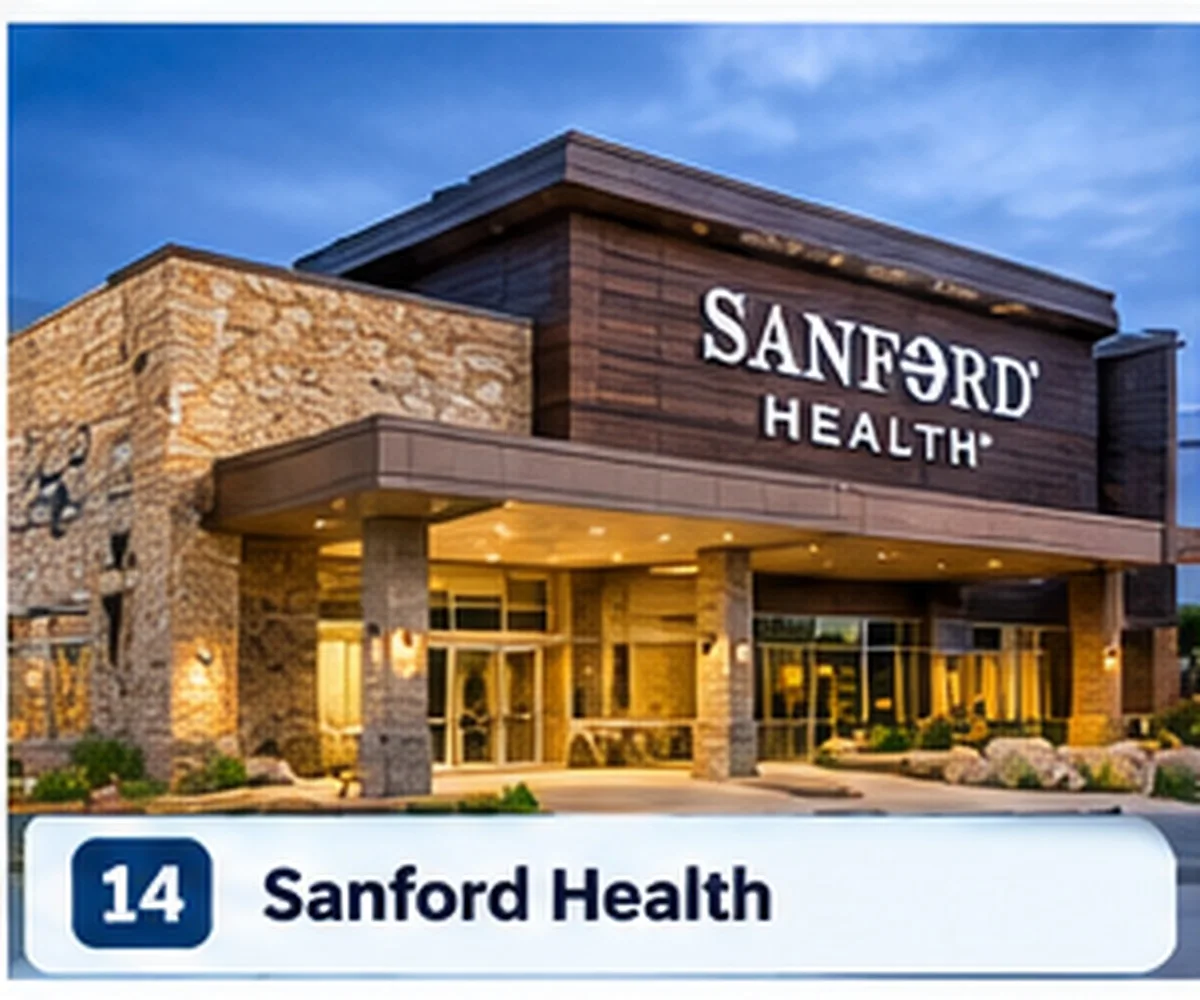
- Headquarters: Sioux Falls, South Dakota
- General hospitals: 35
- States represented: 6
- Organization type: Nonprofit
Sanford Health is an important healthcare provider across the Upper Midwest and surrounding markets.
Its regional and rural healthcare presence can be relevant to companies selling equipment, digital health technologies, workforce solutions, and services designed for geographically dispersed care delivery.
B2B sales insight: Vendors should consider how facility location, service availability, workforce needs, and technology infrastructure may affect the suitability of particular products.
Relevant contacts: Regional hospital administrators, technology leaders, nursing executives, clinical directors, and purchasing professionals.
Research takeaway: Sanford Health illustrates the value of evaluating hospital systems through regional market characteristics rather than national size alone.
15. Mercy
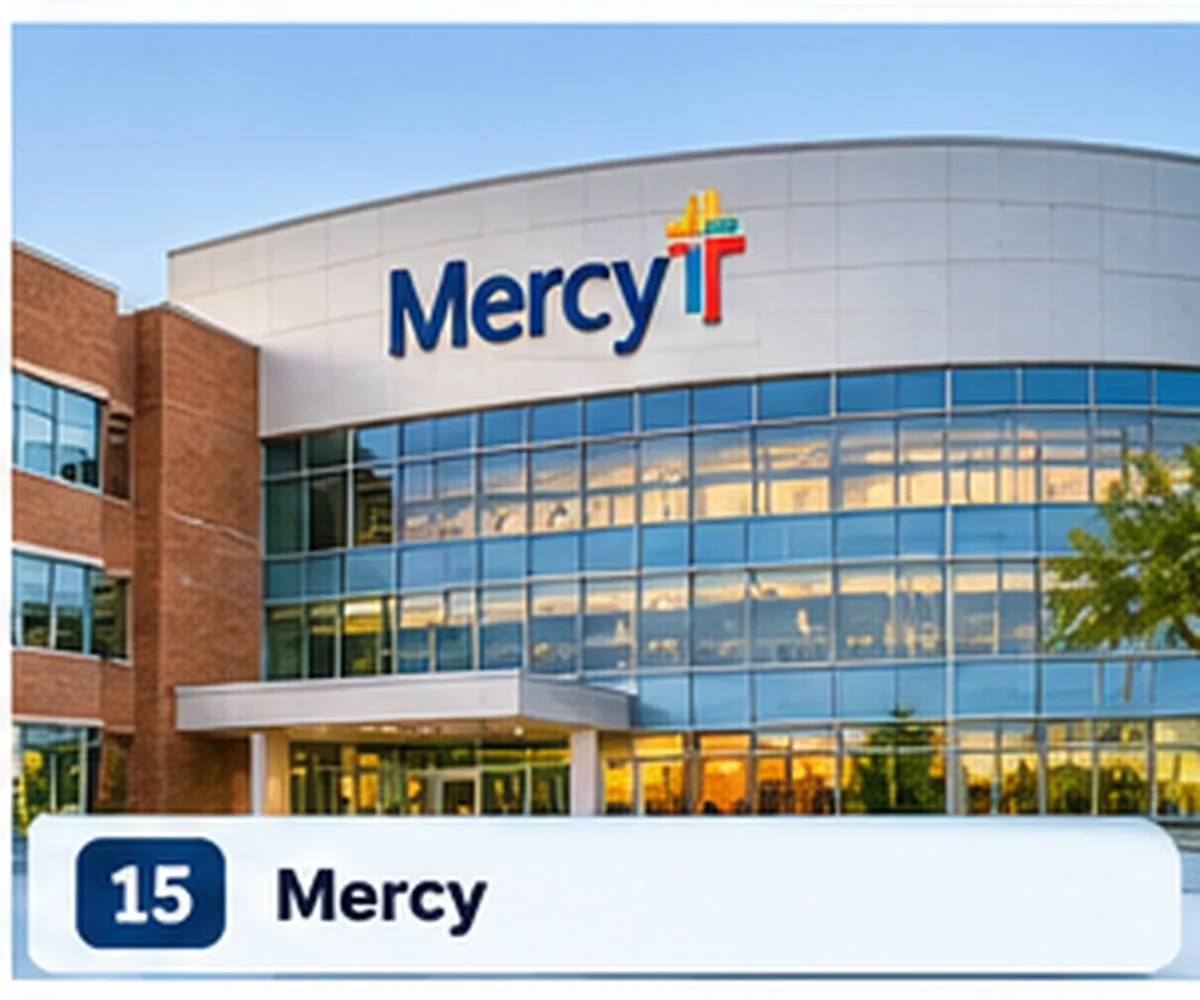
- Headquarters: St. Louis, Missouri
- General hospitals: 34
- States represented: 4
- Organization type: Nonprofit
Mercy operates a substantial network of hospitals and related healthcare services in the central United States.
Its hospital operations and broader care delivery activities create possible opportunities for suppliers across medical technology, clinical services, hospital operations, and patient care.
B2B sales insight: Sales teams should identify the specific clinical departments and hospital facilities relevant to their products before mapping decision-making roles.
Relevant contacts: Clinical operations leaders, nursing directors, procurement professionals, IT executives, and hospital administrators.
Research takeaway: A regional health system can offer meaningful account coverage for suppliers with products well matched to its care settings and service lines.
16. Intermountain Health

- Headquarters: Salt Lake City, Utah
- General hospitals: 33
- States represented: 4
- Organization type: Nonprofit
Intermountain Health is a major integrated healthcare organization with significant operations in the Mountain West.
Its care delivery model and organizational footprint make it relevant to companies serving hospitals, physician practices, and broader health system operations.
B2B sales insight: Suppliers should distinguish between technology or services purchased at the enterprise level and products evaluated by individual clinical departments.
Relevant contacts: Healthcare IT executives, clinical informatics leaders, operations directors, supply chain professionals, and clinical department heads.
Research takeaway: An integrated system requires understanding the relationships among enterprise leadership, hospitals, and other care delivery settings.
17. Sutter Health

- Headquarters: Sacramento, California
- General hospitals: 31
- States represented: 3
- Organization type: Nonprofit
Sutter Health is a prominent healthcare provider with a strong presence in Northern California.
Its hospital network, physician services, and other healthcare operations make it an important account for vendors targeting the California healthcare market.
Medical technology companies, diagnostic equipment suppliers, hospital software providers, and clinical service vendors may find relevant opportunities depending on their product fit.
B2B sales insight: Focus on California market coverage, service-line relevance, and the relationship between hospitals and their parent organization.
Relevant contacts: Hospital executives, supply chain directors, clinical department leaders, and technology professionals.
Research takeaway: A geographically concentrated hospital system can be particularly attractive for a supplier seeking depth in a single high-priority market.
18. UPMC

- Headquarters: Pittsburgh, Pennsylvania
- General hospitals: 31
- States represented: 4
- Organization type: Nonprofit integrated healthcare organization
UPMC combines major hospital operations with academic medicine, specialty care, research, and health insurance activities.
Its clinical environment makes it relevant to specialized medical technology, healthcare IT, diagnostics, research-related services, and complex clinical products.
B2B sales insight: Suppliers of specialized clinical technologies should identify the appropriate medical departments, technical evaluators, and purchasing stakeholders rather than focusing exclusively on executive leadership.
Relevant contacts: Department chairs, clinical service-line leaders, hospital administrators, biomedical engineering professionals, and supply chain executives.
Research takeaway: Academic and specialty capabilities can matter more than hospital count when qualifying potential customers for advanced medical products.
19. Avera Health
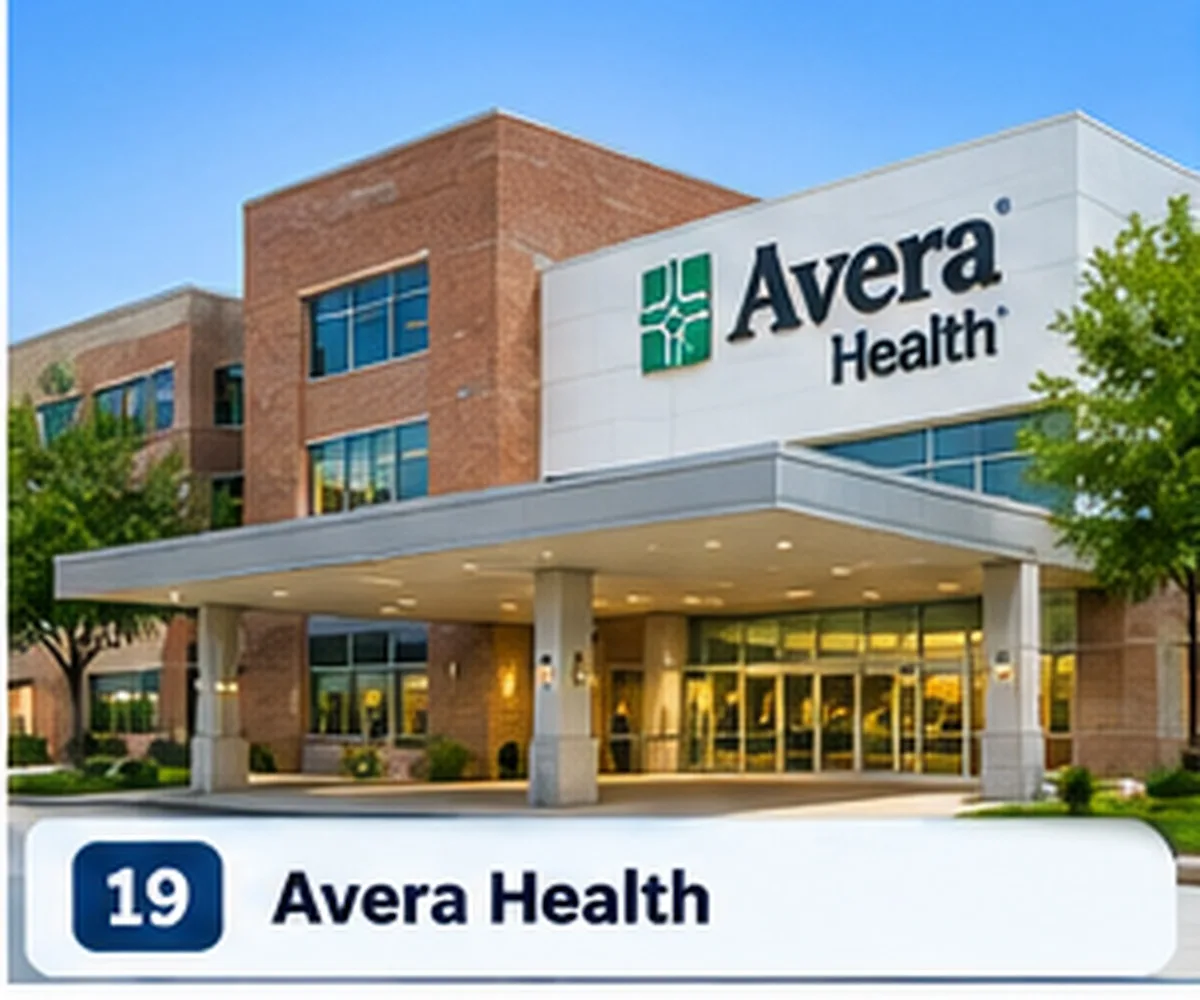
- Headquarters: Sioux Falls, South Dakota
- General hospitals: 29
- States represented: 4
- Organization type: Nonprofit
Avera Health is a regional healthcare network serving communities in the Upper Midwest.
Its hospital network is especially relevant to suppliers researching regional healthcare delivery and the operational needs of community-based facilities.
Potential product categories include diagnostic technologies, clinical supplies, patient monitoring equipment, and healthcare service solutions.
B2B sales insight: Evaluate local hospital capabilities and regional operational structures before assigning sales territories or selecting target contacts.
Relevant contacts: Hospital administrators, nursing leadership, department directors, technology managers, and procurement professionals.
Research takeaway: Smaller geographic markets can offer relevant opportunities for products specifically designed for regional and community healthcare delivery.
20. Banner Health

- Headquarters: Phoenix, Arizona
- General hospitals: 29
- States represented: 6
- Organization type: Nonprofit
Banner Health is a major nonprofit healthcare organization with significant operations in the western United States.
Its network includes hospital services and related healthcare operations, making it relevant to companies selling clinical technology, medical equipment, healthcare software, and operational services.
B2B sales insight: Suppliers should identify the facilities and departments that match their products, then determine which purchasing stakeholders need to be involved.
Relevant contacts: Hospital administrators, supply chain professionals, clinical directors, IT leaders, and biomedical engineering teams.
Research takeaway: Banner Health's regional footprint supports targeted western US account research, particularly when campaigns are segmented by hospital type and location.
What the Largest Hospital Systems Reveal About the US Healthcare Market
The ranking highlights several important characteristics of the American hospital landscape.
1. The largest systems operate at substantially different scales
HCA Healthcare and CommonSpirit Health each exceed 100 general hospitals in the selected dataset.
The gap between these two systems and organizations near the bottom of the top 20 is significant.
However, more hospitals do not necessarily mean more purchasing authority, greater budgets for a particular product, or a higher probability of winning business.
For suppliers, system size is a useful account-screening variable, not a substitute for proper sales qualification.
2. Multistate coverage is not the same as hospital concentration
Lifepoint Health has 64 general hospitals spread across 21 states, while Kaiser Permanente has 49 across six states.
These organizations have different geographic profiles.
The distinction matters when building sales territories. A company offering on-site installation and maintenance may prefer concentrated markets, while a vendor offering remotely delivered healthcare software may find broad geographic coverage useful.
3. Ownership and operating models affect targeting
The ranking includes for-profit and nonprofit healthcare organizations, along with integrated delivery systems.
These categories can influence organizational structure, financial reporting, and procurement processes.
A healthcare vendor should establish whether the relevant purchasing process is controlled by a national office, regional organization, local facility, or another affiliated entity.
Ownership category alone does not establish the purchasing structure.
4. General hospital rankings do not describe the entire healthcare market
A network with numerous rehabilitation, psychiatric, surgical specialty, or other non-general hospitals may appear smaller under this methodology than in its public corporate reporting.
This is why buyers of healthcare contact data should use multiple dimensions when defining their target market.
For example, a behavioral health software provider may care more about psychiatric facilities than general hospital counts. A surgical equipment manufacturer might need hospital procedure capabilities and ambulatory surgery center information.
The largest hospital system is not automatically the best customer for every healthcare supplier.
Which Hospital Systems Should Healthcare Suppliers Target?
The answer depends on what your company sells, where you operate, and who participates in the purchasing decision.
The following table illustrates how different suppliers can use hospital-system research to create a more relevant target account list.
| Your product or service | Hospital characteristics to research | Relevant contacts |
|---|---|---|
| Medical devices and surgical equipment | Surgical specialties, relevant facilities, equipment environment | Surgical directors, biomedical engineering, supply chain |
| Healthcare IT and EHR solutions | Technology systems, integration requirements, IT initiatives | CIOs, CMIOs, IT directors |
| Healthcare staffing services | Facility locations, specialties, workforce requirements, verified hiring needs | CNOs, HR directors, staffing managers |
| Diagnostic and imaging equipment | Imaging departments, diagnostic capabilities, equipment requirements | Radiology directors, biomedical engineers, procurement |
| Hospital furniture and infrastructure | Facility construction, renovation, capital projects | Facilities directors, capital planning leaders, procurement |
| Revenue cycle management software | Revenue cycle operations, billing environments, financial processes | CFOs, revenue cycle directors, IT leaders |
| Clinical supplies and distribution | Facility operations, supply chain structures, product requirements | Supply chain directors, materials managers, value analysis teams |
Example: A medical device manufacturer entering the US market
Suppose a manufacturer sells equipment designed for orthopedic surgery.
Targeting all 20 hospital systems equally would be inefficient.
A more useful approach would involve:
- Identifying hospitals with relevant orthopedic surgery services.
- Selecting states where the manufacturer can provide installation, training, and support.
- Determining which organizations have the appropriate clinical infrastructure.
- Identifying orthopedic service-line leaders and equipment evaluation stakeholders.
- Building a contact list that includes the purchasing and clinical roles involved.
The same principle applies to healthcare software, pharmaceutical distribution, diagnostic devices, staffing services, and other healthcare products.
For a broader breakdown of healthcare purchasing roles, see MedicalProspects' Who Buys What in Healthcare? guide.
Medical device suppliers can also explore How to Sell Medical Devices to Hospitals for a more detailed sales approach.
How to Find Decision-Makers at Major US Hospital Systems
Identifying a hospital system is only the first part of B2B healthcare prospecting.
The next challenge is finding the right professionals within that organization.
A hospital CEO might approve major organizational strategies, but an individual clinical purchasing decision can also involve supply chain management, a department director, financial executives, and technical specialists.
For this reason, healthcare suppliers often need several types of professional contact data.
Hospital executives
Executives can be relevant when a product affects enterprise strategy, financial operations, or multiple facilities.
MedicalProspects provides a Health Executives Email List covering healthcare leadership categories and a specialized Hospital C-Suite Email List for senior hospital decision-makers.
Healthcare procurement and supply chain professionals
Procurement and supply chain professionals can be important contacts for companies selling medical supplies, equipment, logistics, and hospital services.
Suppliers can explore the Healthcare Supply Chain & Procurement Directors Email List and Value Analysis Directors & Materials Managers Email List for these functions.
Clinical department directors
For products used within a specific hospital department, the clinical leadership team may be central to product evaluation.
The Department Directors Email List supports role-based targeting across hospital departments.
Facility-level hospital contacts
For organizations prioritizing hospitals by location, type, or operational characteristics, the Hospitals Email List provides a starting point for requesting more specific contact data.
A custom request can specify hospital system affiliation, US state, department, job function, and other supported fields. The availability of matching contacts should be confirmed before purchase.
Build a Targeted US Hospital System Contact List with MedicalProspects
A list of the largest hospital systems is useful for understanding the market. But a healthcare sales campaign needs more than organization names.
It needs the right people at the right facilities.
MedicalProspects helps B2B healthcare companies request professional contact lists based on their specific targeting requirements.
Depending on data availability, lists can be customized using:
- Hospital system or parent organization
- Hospital and facility name
- US state, city, or geographic territory
- Hospital type and relevant care setting
- Clinical specialty or department
- Professional job title and seniority
- Business email and phone information
- Available organization and facility attributes
For example, a supplier may request procurement and surgical services contacts associated with selected hospitals across Texas, California, and Florida.
Another may need IT leadership contacts at hospitals operating within a defined regional network.
Looking to reach professionals working at major US hospital systems?
Visit MedicalProspects to request a custom hospital contact list, available record counts, pricing, and a data sample suited to your target market.
How We Ranked the Largest Hospital Systems
Hospital rankings can vary substantially depending on the data source and which facilities are included.
This article uses the general-hospital counts published in the ProviderPlots US Health Systems ranking.
Its methodology includes:
Included facilities
- General acute-care hospitals
- Critical-access hospitals
- Children's hospitals
Excluded facilities
- Rehabilitation hospitals
- Long-term acute-care hospitals
- Psychiatric hospitals
- Surgical specialty hospitals
- Federal VA and military hospitals
- Facilities outside the 50 states and Washington, DC
- Additional campuses classified as part of a single hospital
The source assigns general hospitals to their parent ownership organizations. Joint-venture facilities may be counted under more than one partner.
The figures in this article reflect the source's November 2026 dataset. They should not be interpreted as a complete count of every facility a healthcare system owns, manages, or affiliates with.
Why do other sources report different hospital numbers?
Other established healthcare publications use different methods.
Becker's Hospital Review reports system-level hospital totals based on available corporate and editorial information. Its figures can include facility categories outside this article's scope.
The Lown Institute hospital ownership analysis focuses on general hospital ownership using another defined dataset and reporting period.
Differences can also arise from mergers, acquisitions, facility divestitures, changes in operating arrangements, and updates to organizational ownership records.
Readers comparing hospital systems should therefore check both the reporting date and the definition of a hospital.
How we calculated the star ratings
The MedicalProspects B2B Market Reach Rating is calculated as follows:
3 base stars for inclusion in this national top-20 list, plus 1 star for operating at least 40 general hospitals, plus 1 star for a geographic presence of at least 10 states.
The maximum is five stars.
This formula reflects organizational scale and geographic reach only. It is not derived from patient satisfaction, Medicare Star Ratings, clinical outcomes, revenue, or independently verified purchasing intent.
The ranking order remains determined solely by general-hospital count.
Frequently Asked Questions About US Hospital Systems
1. What is the largest hospital system in the USA?
HCA Healthcare ranks first in the general-hospital ownership dataset used for this article, with 152 general hospitals across 18 states. Different rankings may report higher totals if they include additional facility categories.
2. Which nonprofit hospital systems are among the largest in the United States?
CommonSpirit Health, Ascension, Trinity Health, Providence, and Advocate Health are among the major nonprofit healthcare organizations represented in this ranking.
3. What is the difference between a hospital and a hospital system?
A hospital is an individual healthcare facility. A hospital system is an organization that owns, operates, or is otherwise affiliated with multiple hospitals or healthcare facilities. The exact relationship may vary by organization.
4. Are the largest hospital systems also the highest-rated hospitals?
Not necessarily. Hospital size and clinical performance measure different things. The star ratings in this article evaluate B2B market reach and are not related to patient care quality or official hospital quality ratings.
5. Which US hospital systems operate across the most states?
Among the organizations in this ranking, Lifepoint Health, HCA Healthcare, CommonSpirit Health, Trinity Health, and Prime Healthcare have extensive multistate general-hospital footprints.
6. Who makes purchasing decisions within large hospital systems?
Purchasing decisions may involve supply chain professionals, department directors, financial executives, clinical leaders, technology teams, and other stakeholders. The appropriate contacts depend on the product and the organization's procurement structure.
7. How can healthcare suppliers find business contacts at major US hospital systems?
Suppliers can use professional healthcare contact databases with filters for organization, geographic territory, department, and job title. MedicalProspects offers customizable hospital contact data to support this process.
8. Should suppliers target the largest hospital systems first?
Not always. Larger organizations can offer broad potential coverage, but successful account selection depends on product fit, operational requirements, geographic reach, decision-making structures, and verified business needs.
Final Thoughts
The largest hospital systems in the United States represent an important part of the country's healthcare infrastructure. They operate extensive networks, serve diverse communities, and influence major areas of healthcare delivery.
For researchers, these rankings provide a clearer picture of hospital ownership and organizational scale.
For healthcare suppliers, they offer something equally important: a starting point for identifying potential customers.
But the most valuable prospect is not necessarily the biggest hospital system.
It is the healthcare organization whose facilities, services, geography, and purchasing requirements align with what your business sells.
By combining accurate hospital research with relevant professional contact data, companies can move from broad healthcare market research toward a more focused B2B sales strategy.
Explore the MedicalProspects Hospitals Email List or request a customized healthcare contact sample for your next US healthcare campaign.

John Britton
VP of Marketing, MedicalProspects
John works with healthcare sales and marketing teams on precision targeting, campaign strategy, and audience intelligence solutions at MedicalProspects.
Related Insights