Pharma, Biotech, and MedTech Are Making a Big Play at FIFA World Cup 2026

VP of Marketing, MedicalProspects
July 13, 2026
Quick Summary
The 2026 FIFA World Cup is proving to be a watershed moment for life sciences outreach. This article details how major players like Sanofi, Amgen, Genentech, and Bristol Myers Squibb are stepping onto the global stage, indicating a shift from traditional healthcare boundaries to community trust and cultural relevance.
FIFA World Cup 2026 Reveals Where Healthcare Marketing Is Heading
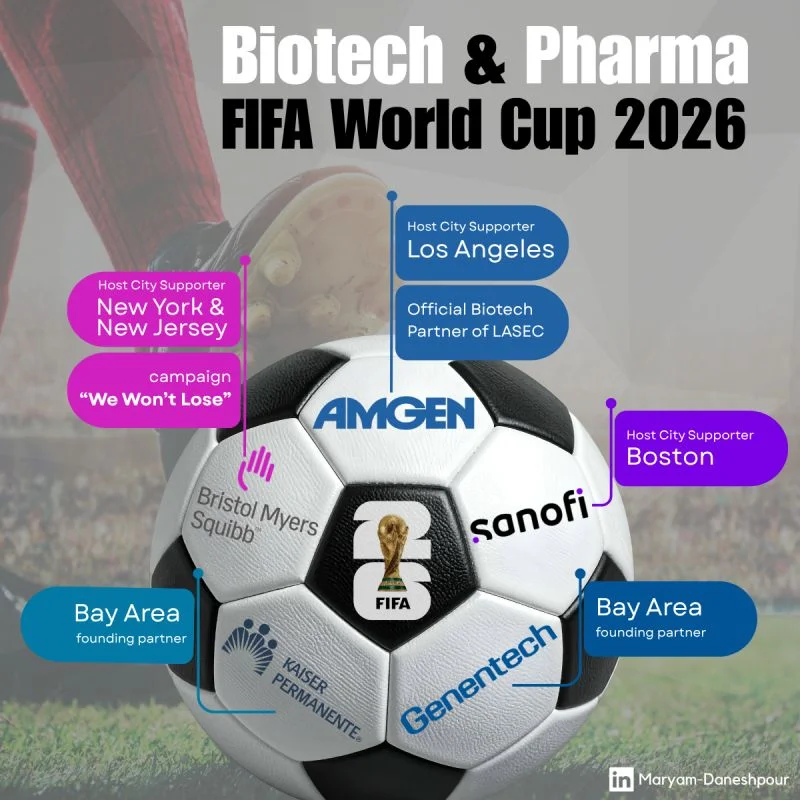
Image source: Maryam-Daneshpour
For decades, healthcare marketing largely lived within the boundaries of the industry. Pharmaceutical companies showcased breakthroughs at medical congresses. Medical device manufacturers built relationships through trade shows and clinical demonstrations. Biotech firms focused on scientific publications and physician education. These channels remain essential, but they're no longer the only places where healthcare brands are building awareness.
The 2026 FIFA World Cup is revealing a new direction.
As the world's biggest sporting event captures the attention of billions of fans across the globe, healthcare organizations are stepping onto one of the largest marketing stages in history. Pharmaceutical companies, biotech innovators, consumer health brands, healthcare providers, and medical technology companies are investing in host city partnerships, fan experiences, community initiatives, and purpose-driven campaigns that extend far beyond traditional healthcare marketing.
Taken individually, these are sponsorship announcements. Taken together, they signal something much bigger.
Healthcare marketing is evolving.
Healthcare Brands Are Showing Up in New Ways
The healthcare industry's presence at FIFA World Cup 2026 is both broad and strategic.
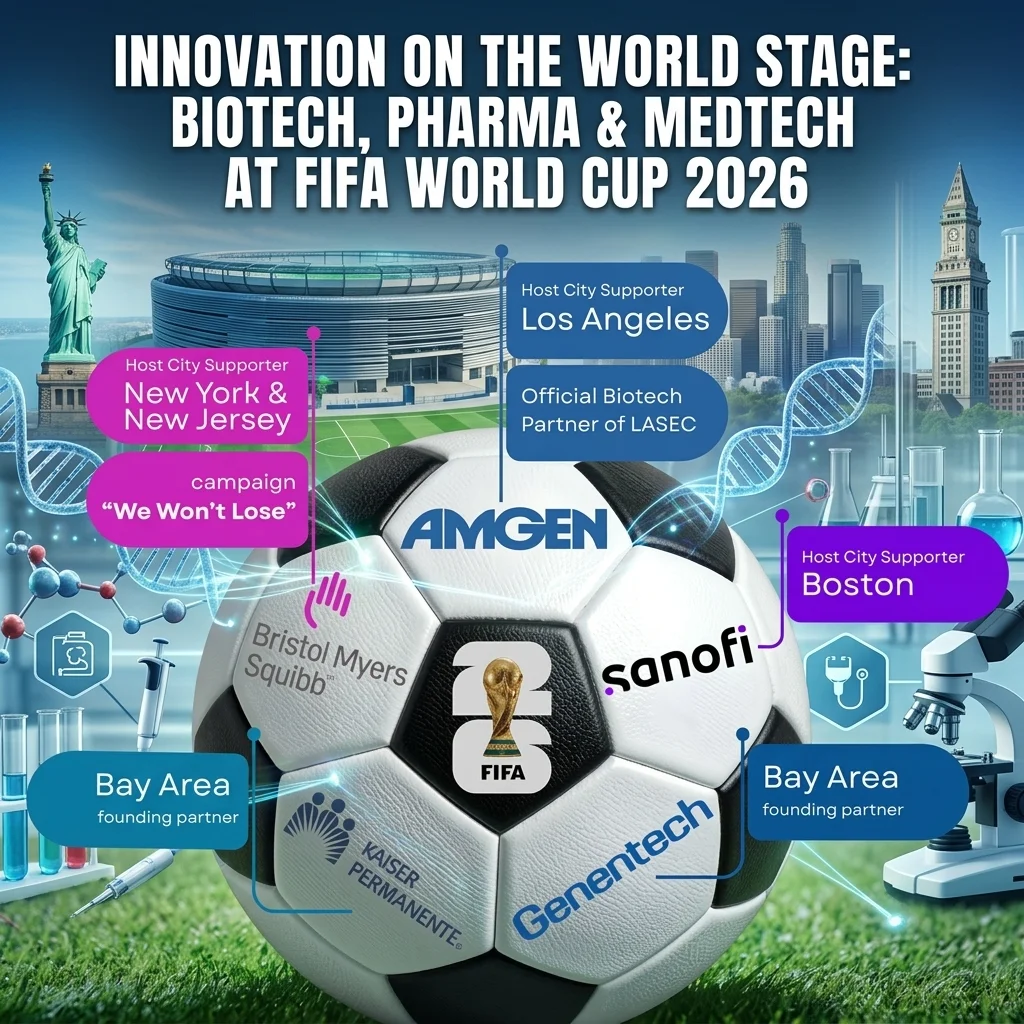
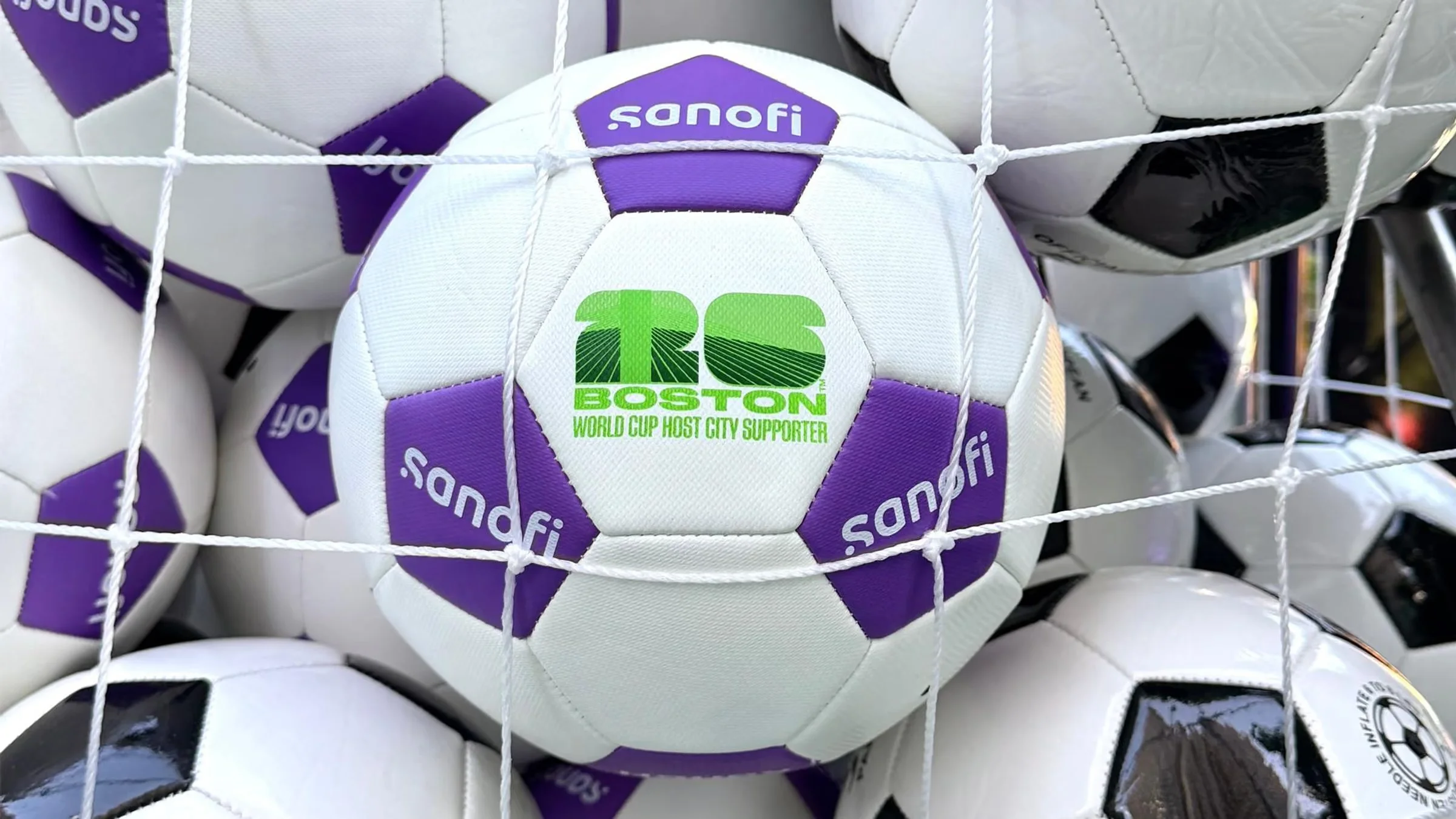
Sanofi has become an official supporter of Boston, partnering with the city's FIFA World Cup Host Committee to support the FIFA Fan Festival and regional watch parties while highlighting its longstanding presence in Massachusetts.
Amgen has partnered with the Los Angeles World Cup Host Committee as the city's official biotech partner, investing not only in the tournament but also in youth football programs, community health initiatives, and improvements to public spaces.
Genentech, a member of the Roche Group, is serving as San Francisco's official biotech partner, supporting the city's preparations for both FIFA World Cup 2026 and future global sporting events through long-term community partnerships.
The University of Kansas Health System is taking on a different role as Kansas City's official medical services provider, leading medical planning and delivering healthcare services for spectators throughout the tournament.
Beyond city partnerships, companies including Bristol Myers Squibb and Haleon are using football-themed campaigns to connect scientific innovation, recovery, resilience, and everyday health with audiences far beyond traditional healthcare settings.
Each initiative serves a different purpose.
Together, they tell a much larger story.
FIFA World Cup 2026 Is More Than a Sponsorship Opportunity
At first glance, these investments appear to be about visibility.
In reality, they're about trust.
Healthcare has always been built on trust, but the way organizations earn that trust is changing.
Today's audiences expect healthcare brands to be present in the communities they serve, participate in meaningful conversations, and demonstrate their purpose beyond products and services. Global sporting events provide a rare opportunity to connect with people during moments that inspire passion, resilience, teamwork, and human achievement—values that naturally align with healthcare.
Rather than waiting until someone becomes a patient, provider, caregiver, or procurement decision-maker, leading healthcare organizations are investing in relationships much earlier.
The buying journey may begin in a hospital or clinic.
Brand trust often begins long before.
Healthcare Marketing Is Moving Beyond Traditional Channels
This doesn't mean conferences, physician education, or scientific publications are becoming less important.
They remain foundational.
What's changing is the healthcare marketing mix.
Leading organizations are expanding beyond industry-specific channels to reach broader audiences through experiences that create lasting brand recognition and emotional connection.
| Traditional Healthcare Marketing | Modern Healthcare Marketing |
|---|---|
| Medical conferences | Global sporting events |
| Scientific journals | Community engagement |
| Trade shows | Cultural moments |
| Product-focused messaging | Purpose-driven storytelling |
| Physician education | Multi-stakeholder engagement |
| Clinical awareness campaigns | Public brand building |
Healthcare marketing is no longer confined to the healthcare ecosystem.
It's becoming part of everyday culture.
Why Sports and Healthcare Are a Natural Fit
The connection between healthcare and sport extends well beyond sponsorship logos.
Both industries celebrate human performance, resilience, recovery, prevention, innovation, and long-term wellbeing.
For pharmaceutical companies, sporting events provide an opportunity to communicate the science behind recovery and healthier lives.
For biotech companies, they offer a platform to connect innovation with human potential.
For consumer health brands, they reinforce messages around everyday wellness.
For medical device manufacturers, they demonstrate a broader commitment to improving health outcomes and supporting healthier communities.
When these messages are authentic, they resonate because they focus on people rather than products.
The Future of Healthcare Marketing Is More Human
One of the most noticeable shifts across healthcare marketing is the move away from product-first campaigns toward purpose-first storytelling.
Instead of asking, "How do we promote our latest therapy or technology?" many organizations are asking a different question.
"How do we become a trusted brand that people recognize, remember, and respect?"
That change influences everything from campaign strategy and community partnerships to content marketing and corporate responsibility.
Healthcare brands are increasingly investing in initiatives that demonstrate their role in improving lives, supporting local communities, encouraging healthier lifestyles, and contributing to society beyond the point of care.
The World Cup simply provides one of the largest stages to tell those stories.
What FIFA World Cup 2026 Signals for Healthcare Marketers
The biggest lesson from FIFA World Cup 2026 isn't that every healthcare company should sponsor a global sporting event.
It's that healthcare marketing is entering a new era.
Organizations are investing in long-term brand equity alongside product marketing. Community engagement is becoming as valuable as conference sponsorships. Purpose is emerging as a competitive differentiator. Human stories are complementing scientific messaging. And brand awareness is beginning well before purchasing decisions or clinical interactions take place.
Whether you're leading marketing for a pharmaceutical company, biotech innovator, medical device manufacturer, digital health platform, healthcare provider, or life sciences organization, the direction is becoming increasingly clear.
The most successful healthcare brands of the next decade won't limit themselves to healthcare conversations alone.
They'll participate in the moments, communities, and experiences that shape how people think about health long before healthcare is ever needed.
Looking Beyond the Final Whistle
The FIFA World Cup 2026 will ultimately be remembered for unforgettable matches, passionate fans, and a new world champion.
For healthcare marketers, however, it represents something equally significant.
It marks a visible shift in how pharmaceutical companies, biotech innovators, MedTech organizations, and healthcare providers are building their brands. They're moving beyond traditional promotion to embrace community engagement, cultural relevance, and purpose-driven storytelling that creates lasting trust.
Healthcare marketing is no longer defined solely by what happens in hospitals, laboratories, or conference halls.
Increasingly, it's being shaped wherever people gather, communities connect, and meaningful stories are told.
And that's where the future of healthcare marketing is heading.
Ready to Build Your Precision Healthcare Audience?
Discover why specialty-level intelligence outperforms volume-first databases.
Get a Custom Provider Count →
John Britton
VP of Marketing, MedicalProspects
John works with healthcare sales and marketing teams on precision targeting, campaign strategy, and audience intelligence solutions at MedicalProspects.
Related Insights